
When one thinks of India’s narrow-lane railways or tram-like tracks winding through marketplaces and grazing past fields, the mind almost instinctively travels to Calcutta (now Kolkata) or perhaps the Darjeeling Himalayan Railway. The Calcutta trams rattling through Chowringhee and across Maidan have long been the poster image of urban nostalgia. Yet, far from Bengal, threaded through the heart of the Chambal region in central India, another narrow-gauge marvel once stitched together landscapes, livelihoods, and lives with quiet persistence. The Gwalior Light Railway (GLR), born in the early twentieth century, was both a technological curiosity and a cultural artery — carrying not just goods and passengers, but the pulse of a princely state trying to find its place in the modern world. Scindia State Railway (later rechristened as North Central Railway) connected over 200 villages between Gwalior and Sheopur Kalan.
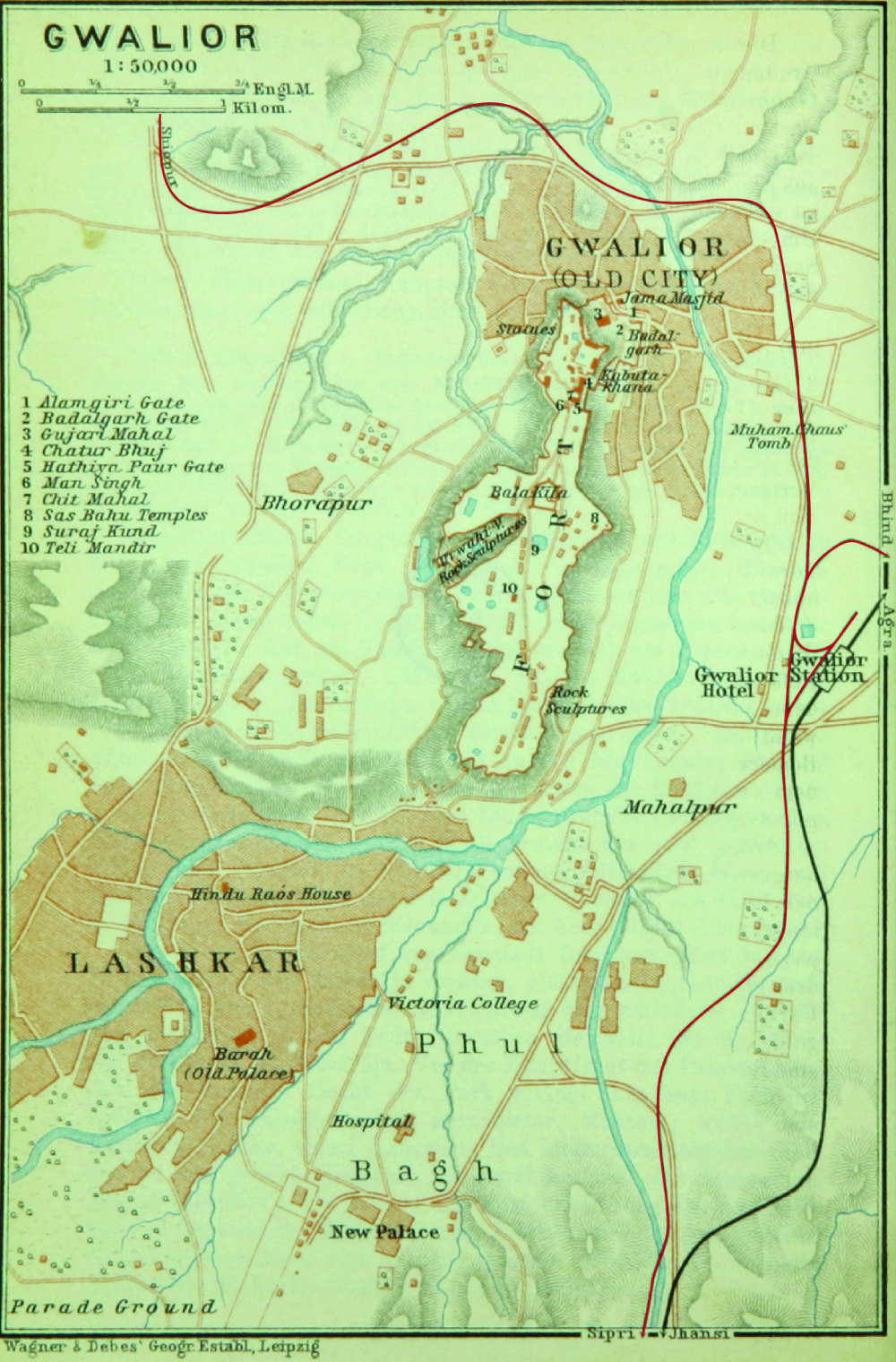
A 1914 map of the GLR Network. (Picture Courtesy: Laplorfill/Wikimedia Commons)
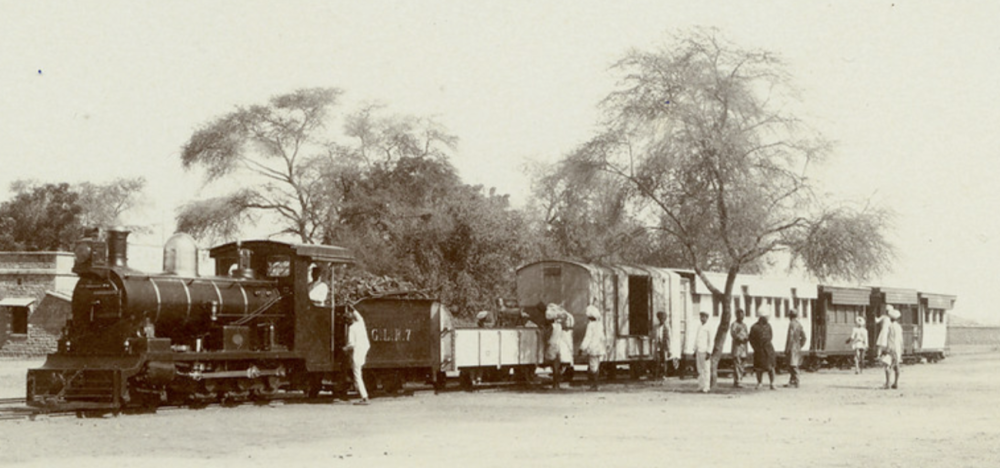
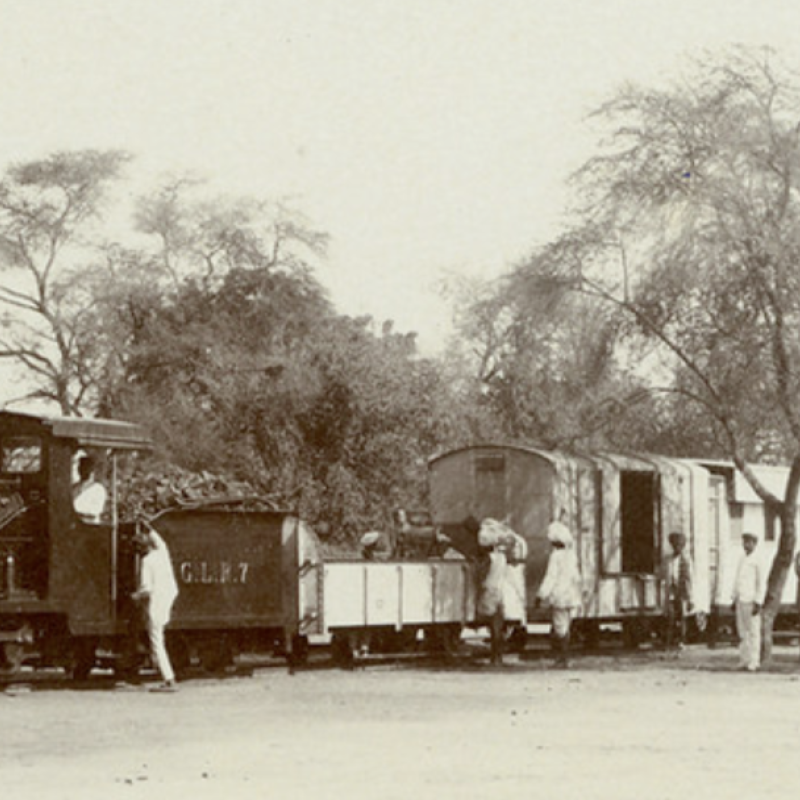
A GLR Train in 1904. (Picture Courtesy: Railway Carriage and Wagon Review/Wikimedia Commons)
The Princely Line
The GLR was the brainchild of Maharaja Madho Rao Scindia (1876-1925) of Gwalior, an astute ruler who understood that railways were tools of governance, economy, and prestige. While the grand broad-gauge lines of British India roared across presidencies, princely states often experimented with narrower, economical tracks to connect their towns and villages. Madho Rao’s fascination with rail was deeply personal, most famously captured in the solid silver model train which famously traversed his banquet table to deliver cigars and brandy. Still at the banquet display of Jai Vilas Palace Museum, the model was ordered from the British firm Bassett-Lowke around 1906.
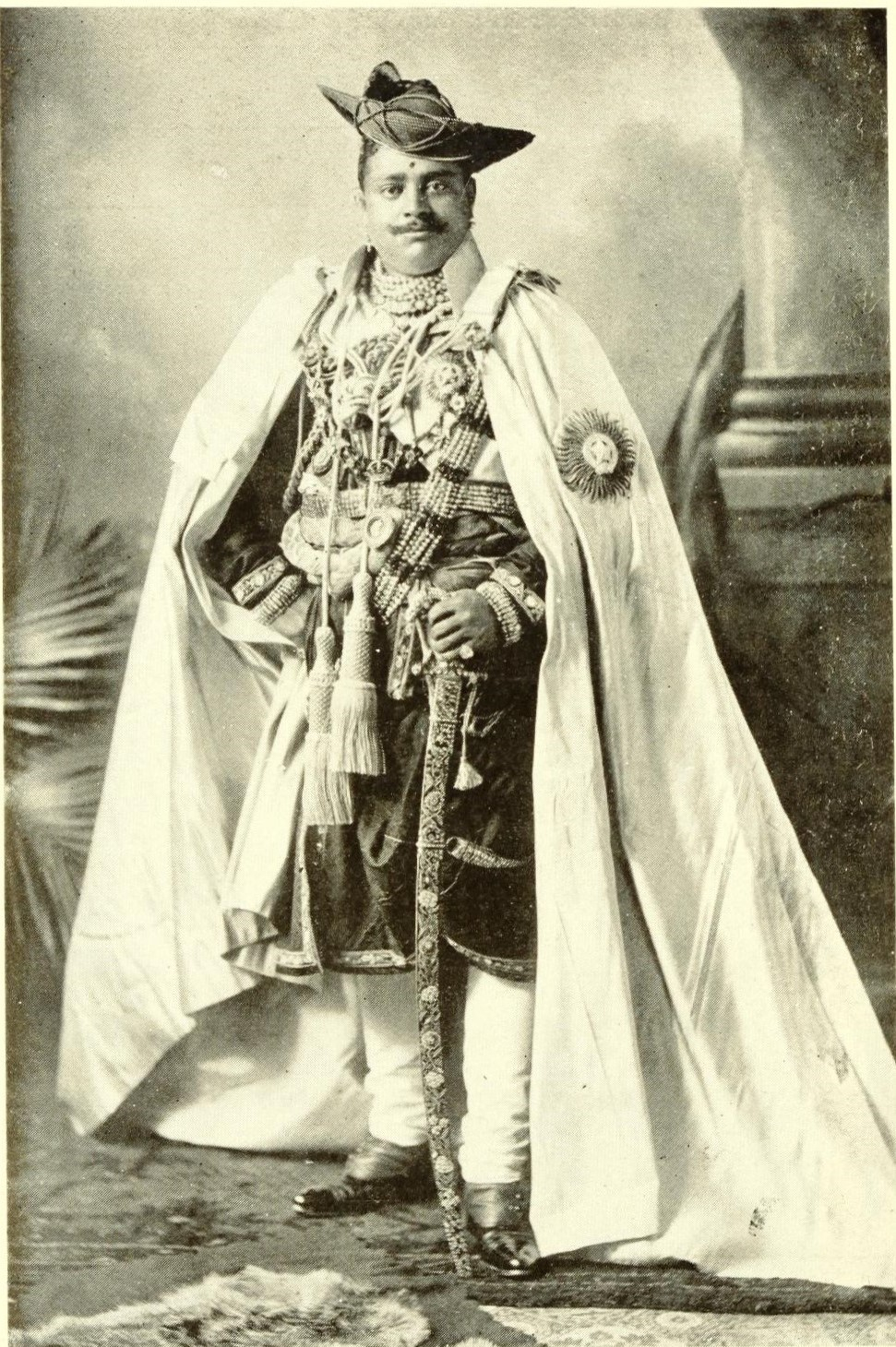
Royal Portrait Photograph of Madho Rao Shinde. (Picture Courtesy: Wikimedia Commons)
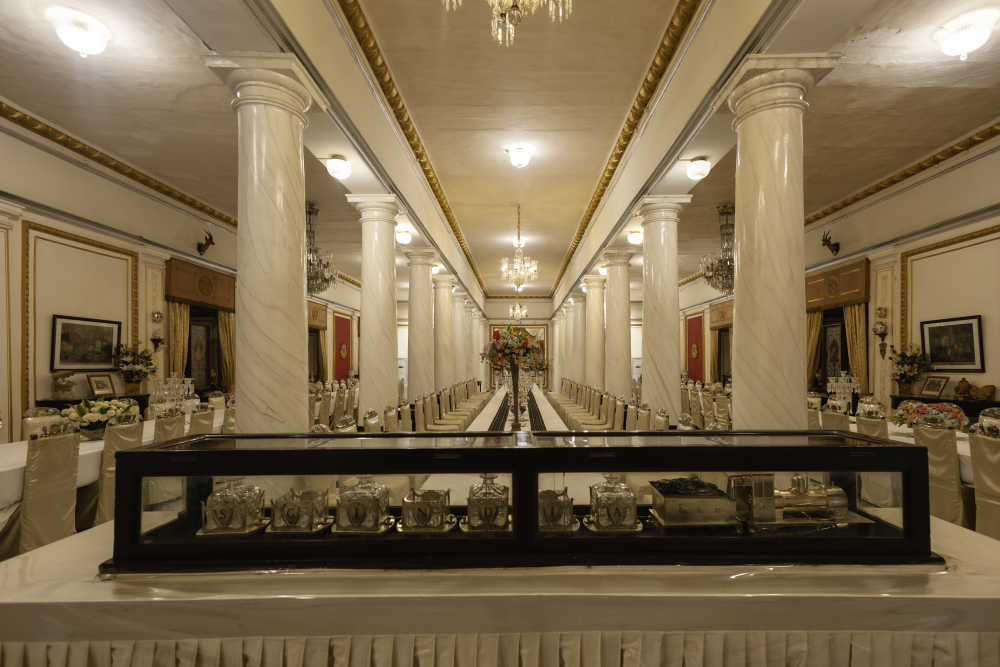
Dining Hall in Jai Vilas Palace. The Toy Train in the foreground was used for serving the dining guests. (Picture Credits: Pranjal Jain)
The 2-ft (610 mm) gauge chosen for the GLR was particularly rare in India, smaller even than the more common metre gauge — making it lighter (30 lb/yd steel), more flexible, and cheaper to lay. It also gave the railway an intimate scale and the ability to curve tightly around the river Chambal’s difficult terrain. The line had gradients as steep as 1 in 40 and curved down to 955 feet, shaping it for slow but steady travel. The train's leisurely pace was legendary; it was said that one could step off, pick a flower, and hop back on without it stopping. Its stations were modest, coaches short and close to the ground, and speed slow enough for passengers to exchange greetings with farmers tending crops just beyond the embankment.
What started as a short palace tramway soon grew into a public transport network linking Gwalior with Bhind, Shivpuri, and Sheopur Kalan. The first major sections — Gwalior–Bhind and Gwalior–Shivpuri — opened on 2nd December 1899, with Sheopur Kalan joining the network by June 1909. Over time, the network grew into one of the largest 2-ft gauge systems in the world, covering over 300 kilometres. It was the Maharaja’s way of knitting together the far reaches of his state, from the Chambal ravines to the forests edging Rajasthan, while also feeding goods into the broader colonial railway grid. In 1942, the title was changed to Scindia State Railway; and in 1951, ownership passed to Indian Railways’ Central Railway zone.
Stations as Social Stages
Older residents of Gwalior often paint vivid scenes of the GLR’s stations, which were far from anonymous halts. At Ghosipura, early morning travellers huddled near coal-fired stoves, sipping tea from thick kulhads (handleless terracotta cups). In Sabalgarh, the station platform doubled as a marketplace, with vendors selling jaggery and groundnuts weaving between porters with handcarts.
The GLR’s routes told a story of Gwalior State’s geography and economy. They passed through fields of wheat and mustard, over stone culverts built by local masons, and across tracts where the Chambal River twisted like a restless snake. It was a region with a historical reputation for dacoits (bandits), and while the train brought modernity, local legends say the railway itself became part of this rugged lore. One persistent legend recalls an informal understanding between GLR crews and the baagis (rebels or dacoits) who controlled stretches of the ravines near Sabalgarh and Sheopur: drivers would sound the engine’s whistle in a distinct, rhythmic pattern as a signal of acknowledgment to those watching from the ravines, and in return, the slow-moving train was left unharmed, regarded less as an instrument of the state and more as a vital lifeline for villages scattered across the badlands. Another oft-repeated tale links the railway to the legendary dacoit Man Singh of Chambal: it is said that he once halted the train near the Kuno River to present a nazarana (gift) to the driver. Declaring the engine the “Gwalior ki Rani”, he is remembered in local memory as placing it under his protection, so long as it continued to serve the people of the region. Whether apocryphal or not, such stories reveal how deeply the railway entered the social imagination of the Chambal frontier. This was also due to its critical role in everyday economic sustenance and life. The railway linked small manufacturing centres, weaving workshops, and oil mills to Gwalior city’s markets. It carried salt inward and agricultural produce outward, sometimes in mixed trains where freight wagons and passenger coaches rattled together.
Farmers brought their produce in bullock carts to the nearest station, knowing the train would take it to market regardless of weather. During harvest season, extra services handled the surge in grain transport. The train was a link to hospitals, schools, and weekly markets. It carried farm produce, livestock, and the occasional wedding party, in a rhythm that defined the region’s mobility.
A Colonial Partnership
Technically, the GLR was built and run under the supervision of the Gwalior Durbar but in coordination with the British Indian railway network. Railways were symbols of political positioning for princely rulers: a means of showing progressive governance while aligning with imperial economic interests.
British engineers often expressed mild surprise at the GLR’s operational efficiency despite its scale and light gauge. Its steam locomotives, some imported from Kerr, Stuart & Co., W. G. Bagnall, Baldwin Locomotive Works of the USA, and later, the Japanese firm Nippon Sharyo, were adapted to local conditions with reinforced cowcatchers and sandboxes for traction on dusty stretches. Wheel arrangements ranged from compact 0-4-2 tanks to more powerful 4-6-2 and 2-8-2 designs, adapted to varying loads and gradients. Many of these engines became local landmarks, recognisable by their compact frames and distinctive whistles.
Yet the colonial presence was never far. The Gwalior station, with its elaborate façade, was as much a showpiece for visiting British officials as it was a transport hub. Special saloon cars, with plush seating and fine wood panelling, were reserved for the Maharaja and his guests — a sharp contrast to the wooden benches in third class.
The Slow Fade
By the late twentieth-century, the GLR’s charm became a liability in the age of faster road transport and standardised rail operations. The costs of maintaining the unique 2-ft gauge were high, and the need to transship goods between gauges slowed down logistics.
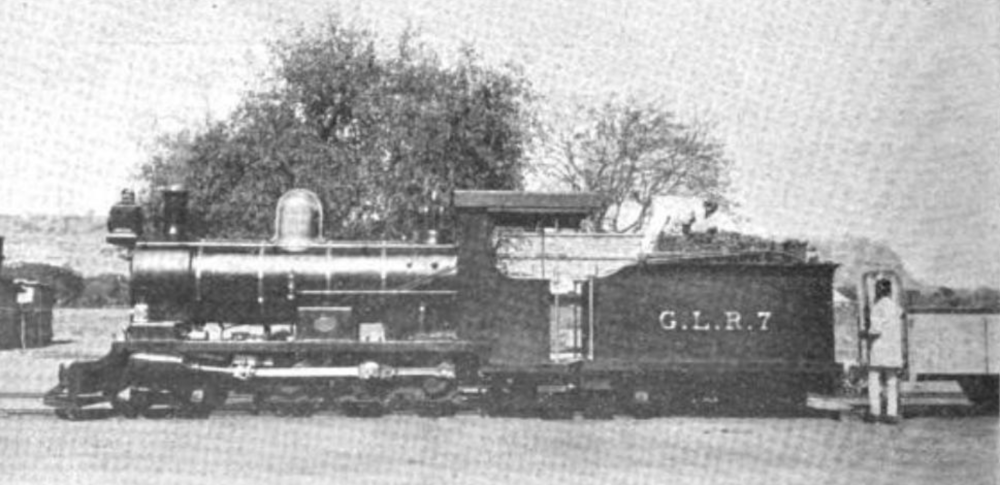
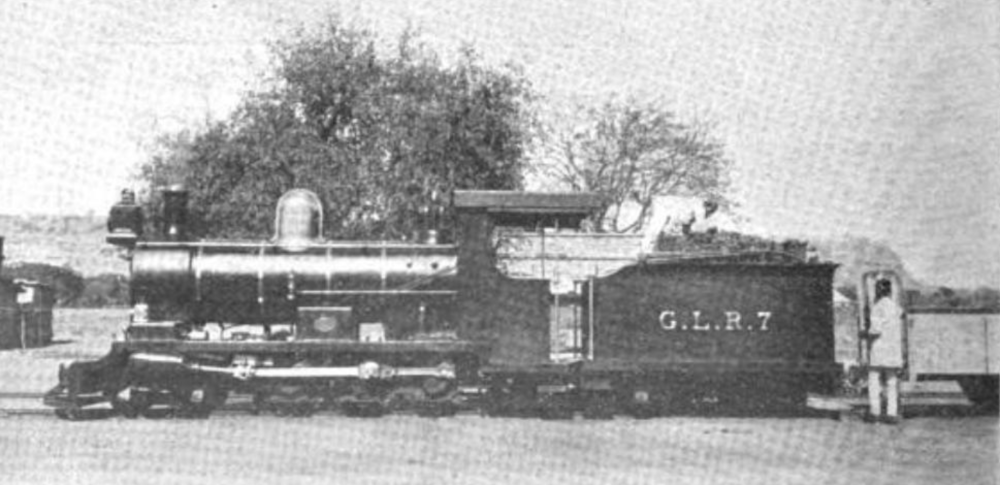
Gwalior Light Railway locomotive No. 7 (imported from Kerr, Stuart and Company. (Picture Courtesy: Railway Carriage and Wagon Review/Wikimedia Commons)
One of the last trains of the erstwhile Gwalior Light Railway. (Photo Courtesy: Shobhit Gosain/Wikimedia Commons)
Gauge conversion projects beginning in the early 2000s systematically replaced or closed much of the original network. The Gwalior–Bhind and Gwalior–Shivpuri sections were converted to broad gauge by the early 2010s. The Sheopur Kalan stretch — the longest surviving 2-ft gauge line in the world — saw its final scheduled service in 2020 before conversion began. Stations once intimate and bustling became larger, more impersonal, and many small communities lost their direct connection to the railways.
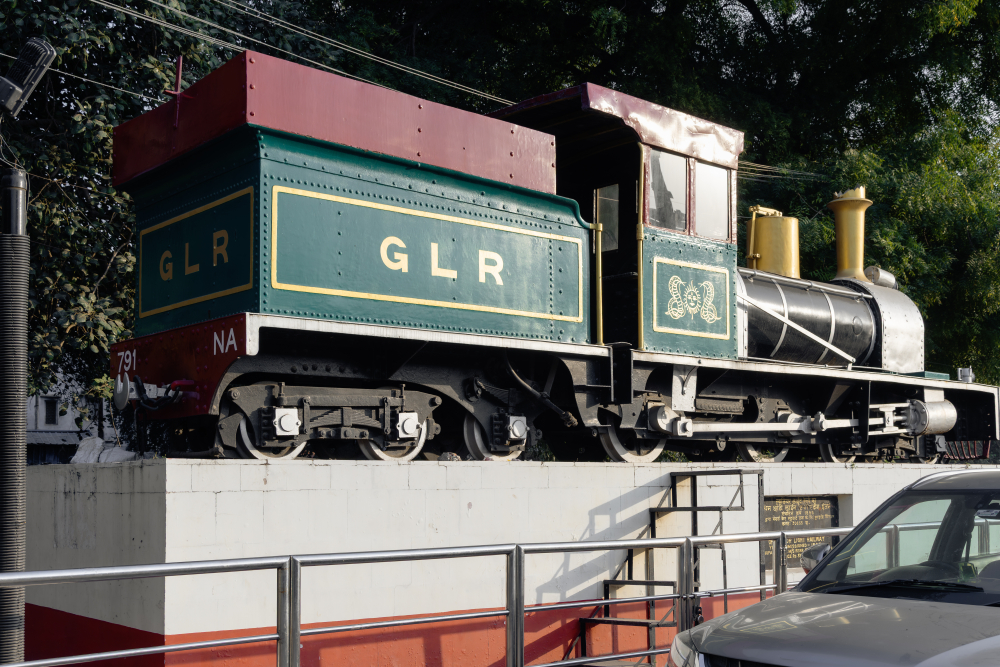
Old Locomotive showcased at the Gwalior Railway Station. (Picture Credits: Pranjal Jain)
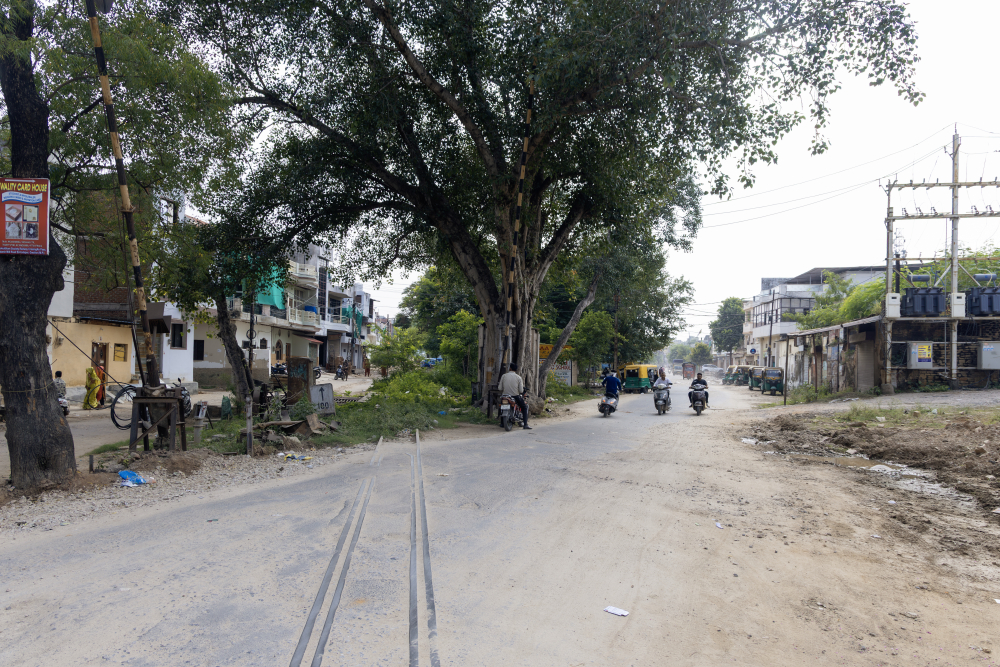
Old GLR Tracks in Gwalior. (Picture Credits: Pranjal Jain)
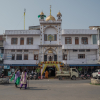
Yet, the ghosts of the Maharaja’s railway still dictate the geography of modern Gwalior. At the station, the grand colonial-era sandstone façade remains a sentinel, overlooking retired ZDM-diesel locomotives now plinthed like monumental art. There is an old locomotive preserved near Gwalior station, weathered station signs, and overgrown embankments. Rail enthusiasts trace the old routes, uncovering culverts and bridges built by local craftsmen more than a century ago. Deep within the urban sprawl of Lashkar and Kampoo Kothi, the steel has vanished, but the roads still trace the rhythmic, sweeping curves of the 1925 suburban extension; even today, locals navigate by old phataks that exist only in memory. As the final broad-gauge conversion reaches Sheopur Kalan, the original 1904 masonry piers endure in the riverbeds — handcrafted stone standing in quiet, defiant contrast to the modern concrete rising beside them. In Gwalior’s older quarters, shopkeepers still speak nostalgically of days when coal smoke drifted through narrow lanes as the train passed mere meters from their homes. For those who grew up with the GLR, the change was bittersweet: faster trains came, but the leisurely human theatre of the old stations vanished.
With its quieter, equally compelling tale, GLR became a living thread woven into the daily rhythms of a then princely state, carrying stories of connection, resilience, and gradual change. It moved at the pace of life itself, linking remote villages to the world beyond and standing as a testament to a time when technology was deeply personal and profoundly local. The fading tracks of the GLR remind us that progress comes at the cost of intimacy — but the narrow-gauge marvel, which once linked remote villages to the world beyond, lives on in the hearts of those it touched.
Bibliography
Bhuyan, Mohan. ‘Upper Class to Sheopur Kalan.’ Indian Railways Fan Club (IRFCA), March 28, 2009. Accessed April 17, 2026. https://irfca.org/members/trips/mbhuyan-20090328-sheopur.html
Sivaramakrishnan, R. ‘Ian Manning on the Indian Railways: 1965-1969.’ Indian Railways Fan Club (IRFCA), 2006. Accessed April 17, 2026. https://irfca.org/members/trips/manning/index.html#chapters.
Mukherjee, Ritayan. ‘Scindia's Pride: Gwalior Light Railway.’ Sahapedia, 2021. Accessed April 17, 2026. https://map.sahapedia.org/gallery/Scindia%27s-Pride:-Gwalior-Light-Railway/11065
Chauhan, Arvind. ‘Heritage narrow gauge rail track to chug into history.’ Times of India, August 13, 2020. Accessed April 17, 2026. https://timesofindia.indiatimes.com/india/heritage-narrow-gauge-rail-track-to-chug-into-history/articleshow/77531972.cms.
This essay has been created as part of Sahapedia's My City My Heritage project, supported by the InterGlobe Foundation (IGF).