
ਨੈਣਾ ਦੀ ਨਮੀ ਦਾ ਵੀ ਕੁਝ ਕ੍ਰਿਸ਼ਮਾ ਸੀ ਰਲੀਆ
ਸਾਡੇ ਰੰਗਲੇ ਸੱਜਣ ਦਾ ਸਤਰੰਗਾਹ ਸਿਵਾ ਬਲਯਾ
ਸੁਰਜੀਤ ਪਾਤਰ
(It was, perhaps, also the miracle of the tears in my eyes,
That lent the colour to our friend’s funeral pyre.)
—Surjit Patar, “Lali Baba,” in Lafzanapul, ed. Sukhwinder (2024).
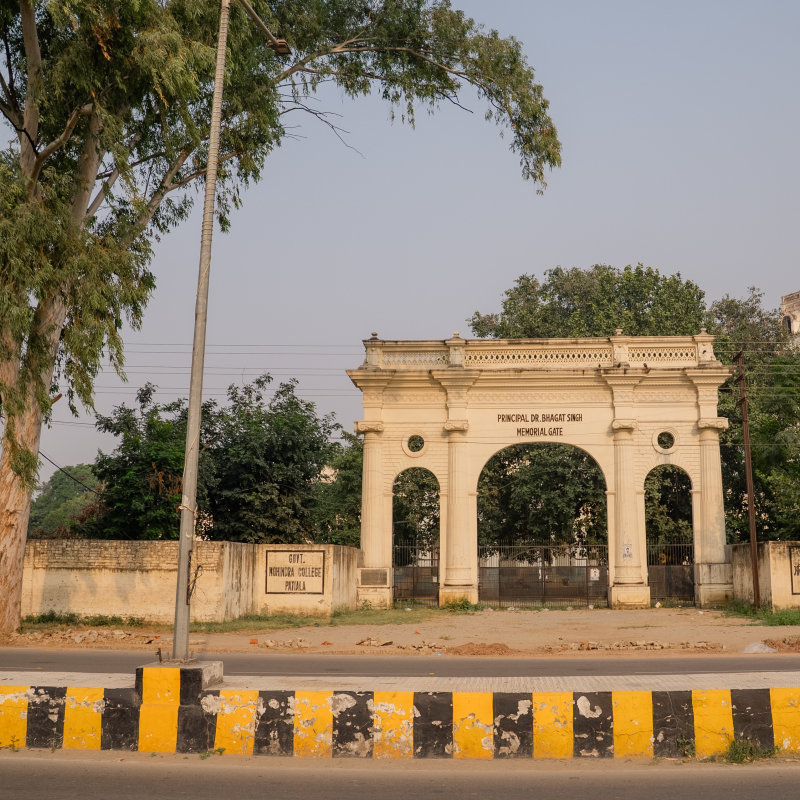
Bhootwara — a den of ghosts — referred to a group of thinkers, writers, and poets across higher educational institutions, specifically Government Mohindra College and Punjabi University, in 1960s Patiala. They came together and rented a two-room house on Lower Mall, where they would congregate, engage in discussions, and entertain visitors from other schools of thought and cities. Some have suggested that the group and its location came to be called ‘Bhootwara’ since its inhabitants and participants stayed up in discussions all night.
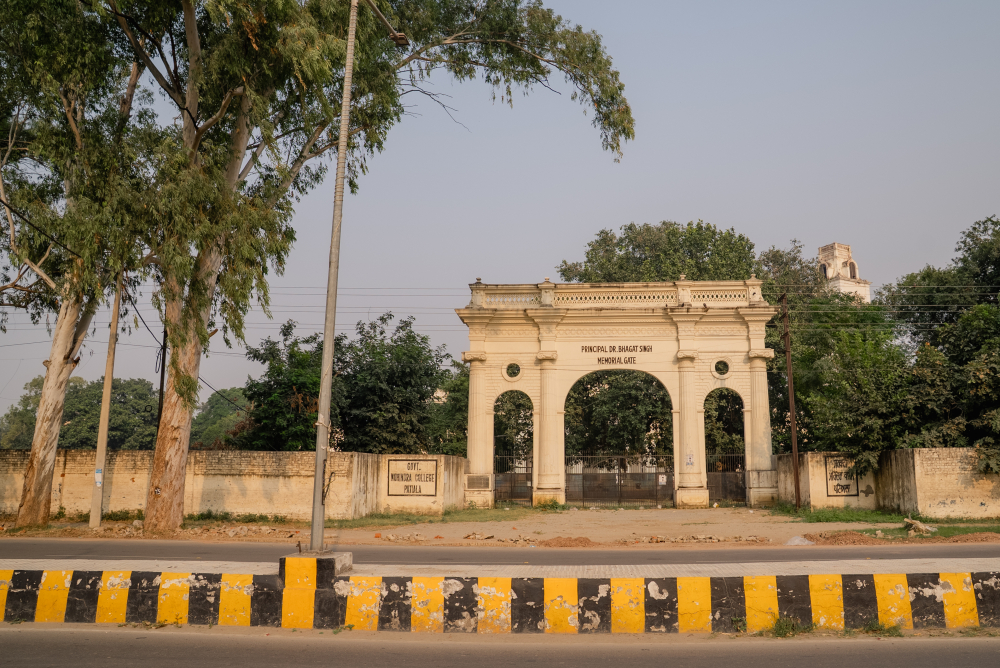
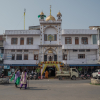
Lower Mall Road entrance to Mohindra College. (Picture Credits: Meenal Upreti)
Since this group encouraged conversations among peers as well as between professors and students, it left a deep impact on students of these universities. Bhootwara and its participants went against the grain of formal university education, which sought to prepare students for steady future careers: it was neither a systematic space nor a gathering where ideologies were prescribed to its visitors. Instead, the thread that wove Bhootwara together was a sense of curiosity for the world.
Despite being fragmented, Bhootwara finds mention in the literary and philosophical milieu of 1950s-60s Punjab — especially in the works of Surjit Patar, Navtej Bharti, and Dalip Kaur Tiwana. Before the region was mired in the socio-political complexities of the late 70s and 80s, surrounding state autonomy, its lehar (wave) of writers and thinkers travelled far and wide. Though Bhootwara was not the sole such discussion group at Mohindra College or Punjabi University, the sincerity with which it maintained independent thought was unmatched — and has not been recreated in the years since the group splintered and its ‘ghosts’ moved on.
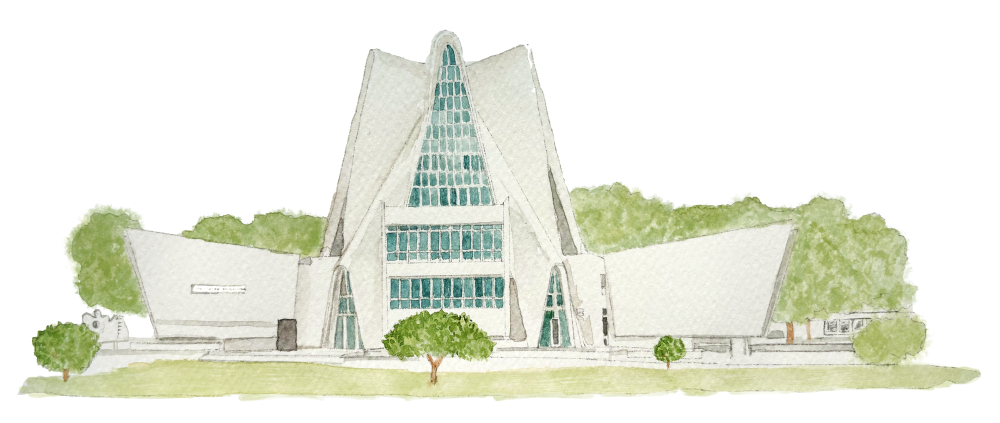
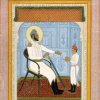
Punjabi University. (Illustration Credits: Jisha Unnikrishnan)
Lali Baba
A key figure, serving as a bridge between the earliest ‘ghosts’ and the ones that came later, was Hardiljit Singh Sidhu, or ‘Lali Baba’ (1932-2014). Neither Bhootwara nor Lali Baba can be fully understood in isolation from each other. In an edited manuscript compiled posthumously, those who came in close contact with Lali Baba described him as the greatest conversationalist of his time. Professionally a professor of linguistics at Punjabi University, Lali Baba was neither a published writer nor a nominee for literary awards, but he left a lineage so indelible that the ethos of literary conversation at Punjabi University still carries his traces. If not the rented house at Lower Mall, the university’s coffee house or the Gol Market were where Lali Baba was often found, drawing hundreds of students and professors into his conversations. Since his forte was world literature, art, and film, Lali Baba became a window for his students to texts and lives they would not otherwise have accessed.
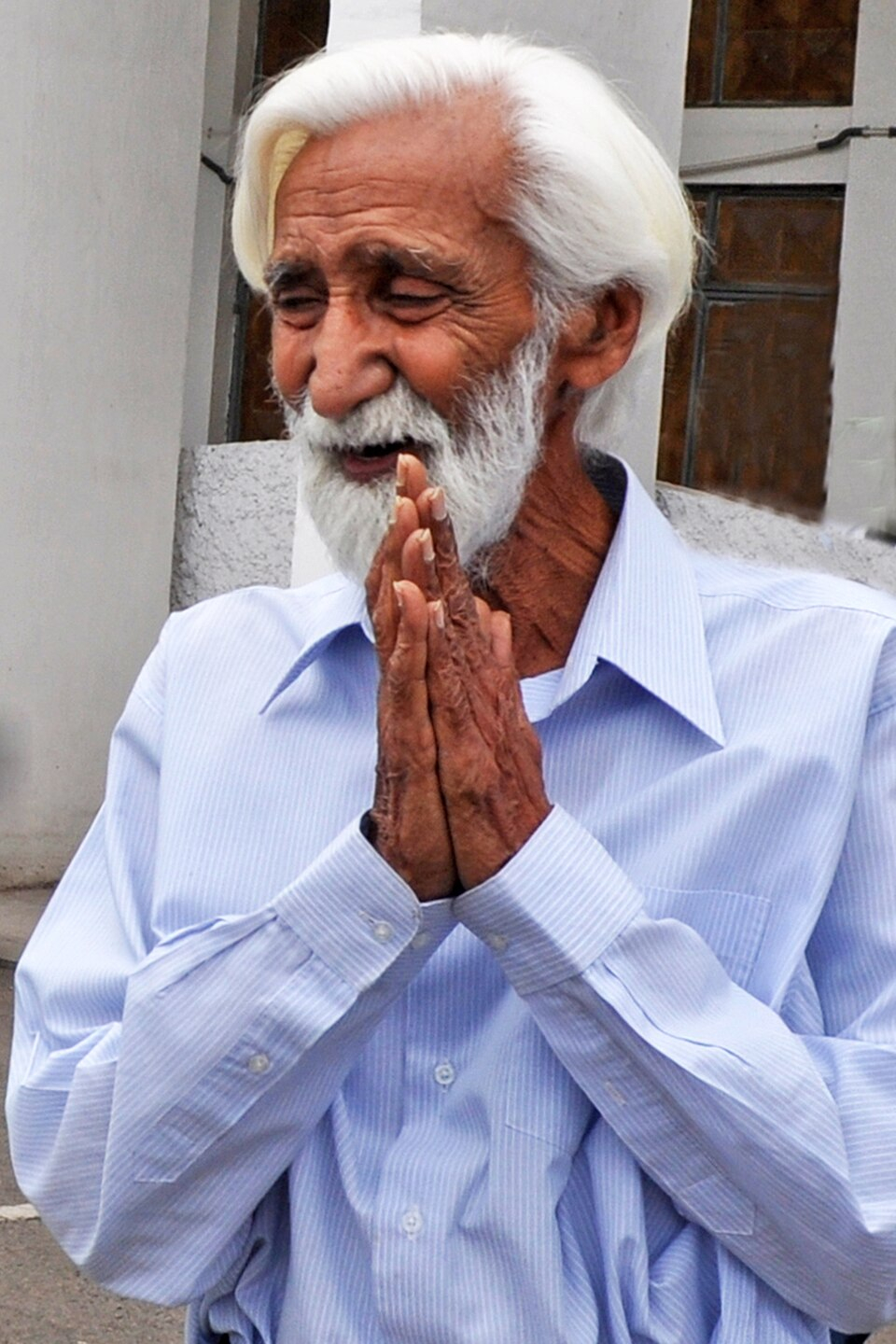
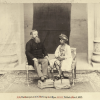
Lali Baba. (Picture Courtesy: Wikimedia Commons)
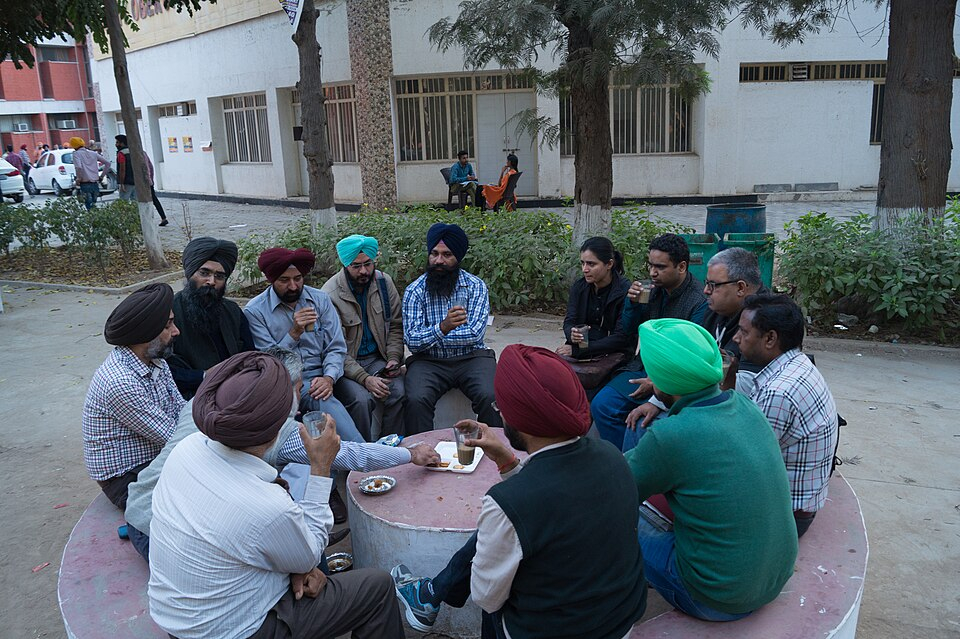
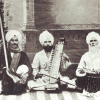
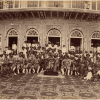
A gathering near Gol Market, Punjabi University. Reminiscent of the gatherings of Bhootwara. (Picture Courtesy: Wikimedia Commons)
Lali introduced Bhootwara to dancer and composer Birju Maharaj, filmmaker Ingmar Bergman, writers like Saadat Hassan Manto, T. S. Eliot, Anton Chekhov, Malik Muhammad Jayasi, the acting careers of Marilyn Monroe, Sophia Loren, Suchitra Sen, and Meena Kumari, and the filmographies of Akira Kurosawa, Satyajit Ray, and Marcel Camus. In the words of poet Navtej Bharati, a Punjabi poet who wrote a poem called Lali in Lali Baba’s honour, Lali Baba filled Bhootwara’s night sky with stars and stole their light to shine it upon these greats. The anecdotes around Lali say that the audience would rarely realise when nights turned into day, such was Lali’s articulate delivery. Another story goes that after listening to Lali’s introduction to Bengali cinema, students would be inspired to cycle to Ambala Cantt to the only cinema that would show Bengali films. So although the ghosts of Bhootwara lived like faqirs (wandering ascetics) they engaged in works from around the world.
Lali kept Bhootwara alive through his involvement and extended its forum to other eccentric thinkers, poets, and writers. Renowned Punjabi-language writers became part of Bhootwara when they did not have an identity of their own, slowly emerging as distinct voices in affiliation with Bhootwara. Writer Dalip Kaur Tiwana, academic and professor of English, Gurbhagat Singh, novelist and poet Surjit Patar, poet and critic Satinder Singh Noor, and poet Harinder Singh Mehboob were all once members of Bhootwara. Today, it is through the anecdotes of Punjabi literati that it is possible to piece together an image of Bhootwara. For instance, members wrote books and papers to win prizes that could then financially support Bhootwara or pay for the celebrations: in the summary of his debut book, Vishav Di Nuhar (1966), Ajmer Rode recounts how the book was originally drafted with the intention of winning a prize to contribute to the Bhootwara.
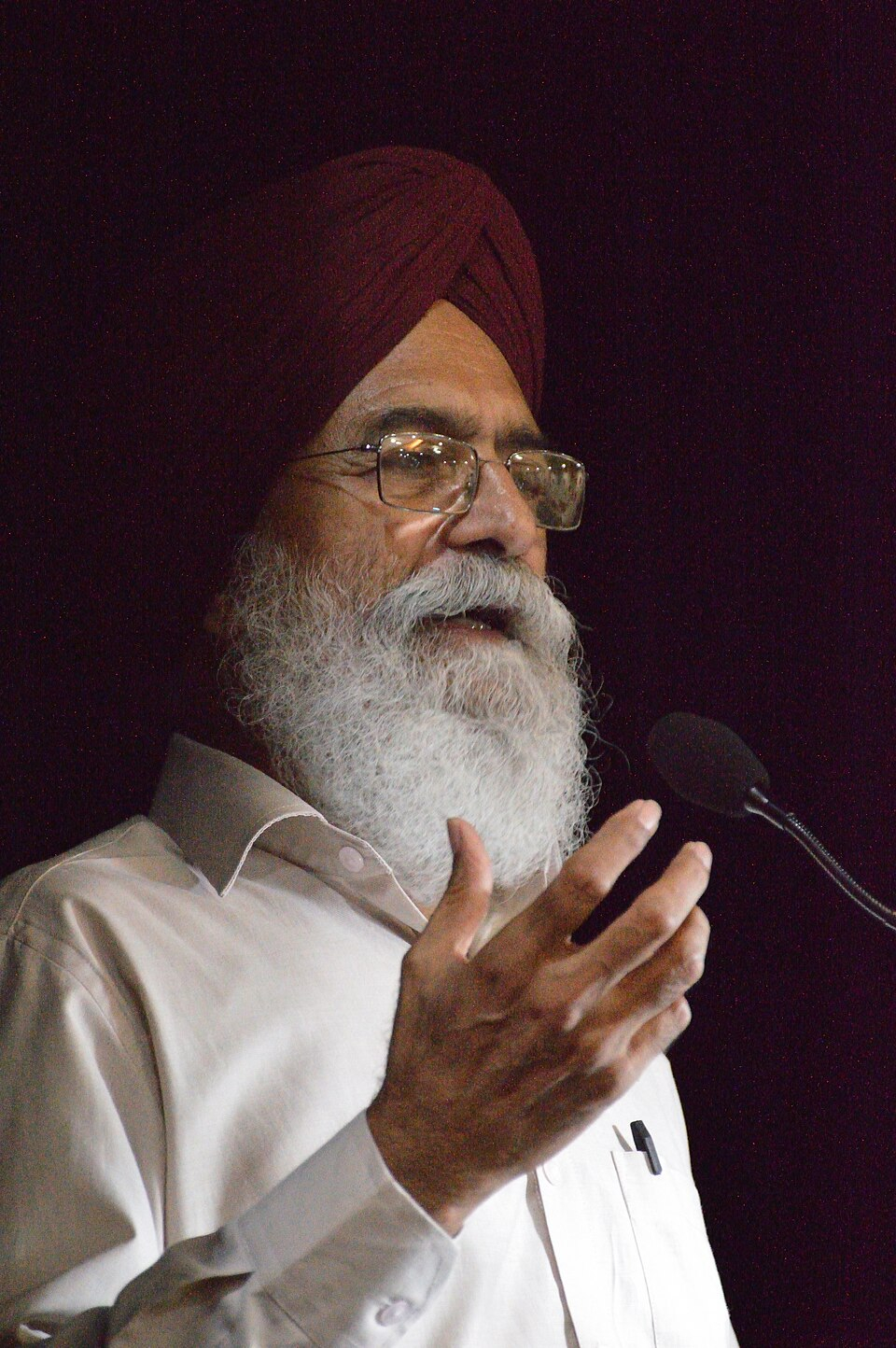
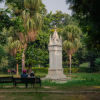
Dr Surjit Patar, 2016. (Picture Courtesy: Wikimedia Commons)
Given the long and lasting legacy of Bhootwara, it is fair to say that any conversation around Patiala is incomplete without remembering it. Although this ‘den of ghosts’ no longer exists and its metaphorical ghosts are actual ghosts today, the nature of the discussions being had over six decades ago are still exemplary and inspiring.
Bibliography
Manjinder Pup, 2021. https://www.instagram.com/p/CNIs9YzMJhA/?img_index=1. Accessed April 17, 2026.
‘Dalip Kaur Tiwana Punjabi.’ Filmed in 2022. Sahitya Akademi, 30:13. https://www.youtube.com/watch?v=g_N_616C48I.
‘Lali Baba.’ Edited by Sukhwinder, Lafzanapul, 2024. Accessed April 17, 2026. https://lafzandapul.com/punjabi-article-bhootwara-of-writers/.
This essay has been created as part of Sahapedia's My City My Heritage project, supported by the InterGlobe Foundation (IGF).